




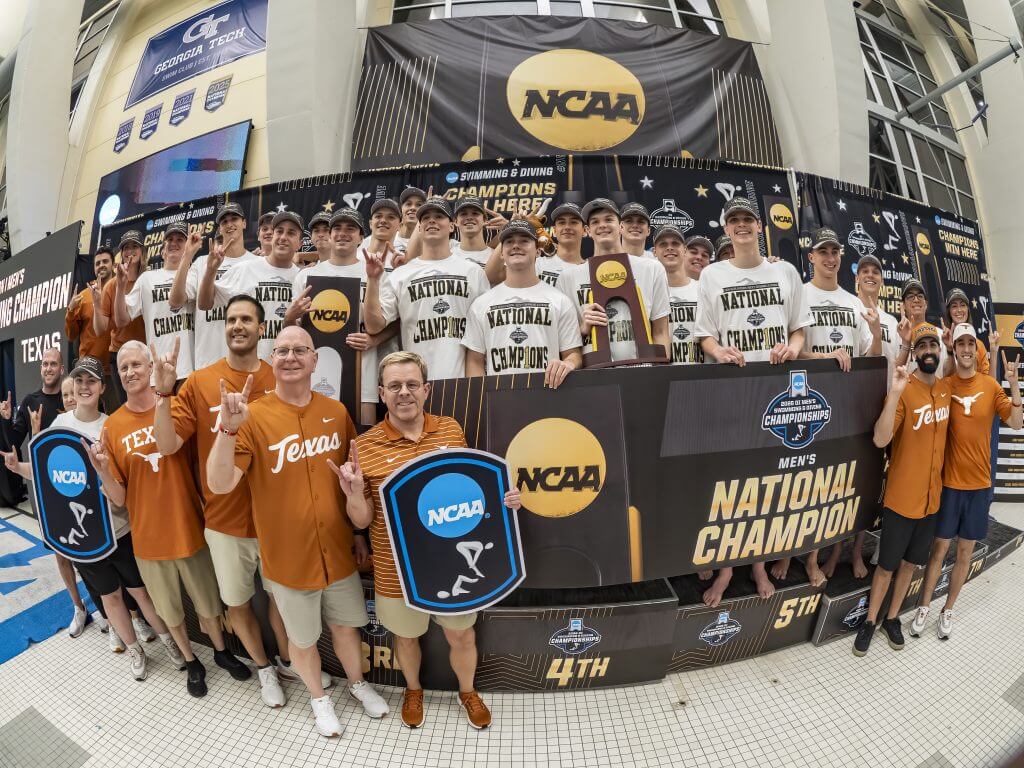

Dynamo Swim Club head coach Ian Murray explains how Georgia Tech’s NCAA stage gave his young swimmers a clearer picture of what’s possible.
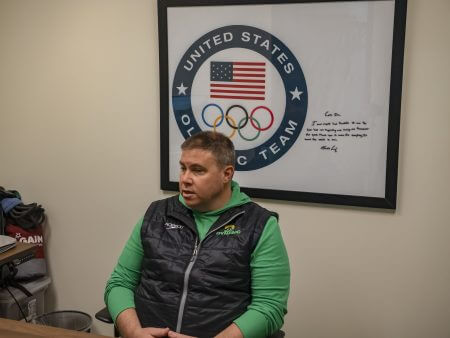
Ian Murray Head Coach Dynamo Swim Club
In the days leading up to the NCAA Swimming and Diving Championships at Georgia Tech, Dynamo Swim Club head coach
Ian Murray saw the meet as more than a showcase of the nation’s top collegiate swimmers.
“This was an ignition point for kids,” Murray said. “They need to see what the best are doing and be inspired. We tie it back to our team culture.” For Murray, the value of having the NCAA Championships in Atlanta went beyond the races themselves.
That kind of impact, Murray said, takes time. “The culture is built in drops, but it’s lost in buckets.”The line reflects both Dynamo’s identity and Murray’s long-term view of swimmer development.
The meet gave local swimmers a chance to watch the sport at its highest collegiate level, cheer for Dynamo alumni they look up to, and begin to see that stage as something they could reach themselves one day.
From Watching to Believing
For Dynamo swimmers, the NCAA Championships were not simply a chance to watch fast racing.
They were a chance to connect what they do every day with what the sport can become.
“They see what’s possible,” Murray said. “Some of them are going to end up back at that meet in four years.”
That becomes even more real when the swimmers competing on that stage came through the same club.
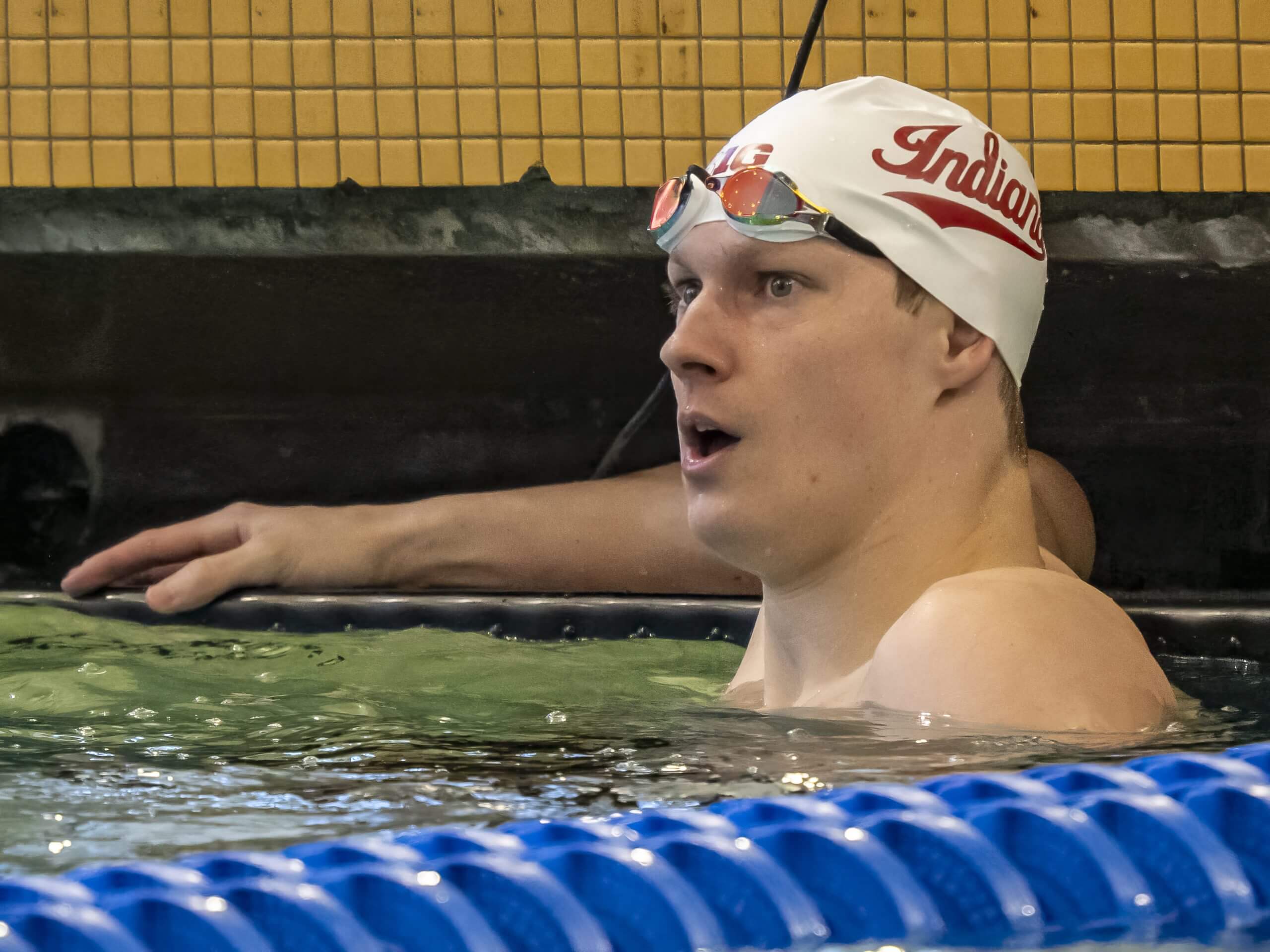
Dynamo Swim Club Alum Owen Mcdonald at 2026 NCAA’s
Dynamo alumni such as Indiana’s Owen McDonald and Arizona State’s Cale Martter have helped show
younger swimmers what that path can look like. For Murray, that matters as much as any single result.
“When you have people who grew up in your program contributing at that level, that’s a big deal,” he said.
“Not just for coaches, but for the athletes and families who can see that path.”
More than Results
Dynamo has long been known as one of the strongest clubs in the country, but Murray made clear that he does not judge the health of a program only by its stars.
“The truth is, we’re not the strongest we’ve ever been at the very top right now,” he said. “And that’s okay.”
A Wider College Path
What matters more to him is whether swimmers are progressing, whether the culture is strong, and whether athletes are being prepared for what comes next.
“Our core mission is to prepare you for what’s next,” Murray said. “And hopefully you leave Dynamo better than when you arrived.”
That shows up in the way Dynamo approaches athlete development. Murray spoke about technical fundamentals, dryland work, movement skills, and making sure swimmers continue improving through high school with room still left to grow in college.
Murray also spoke candidly about the changing college landscape. With roster pressures and shifting opportunities at the top of the sport, more swimmers are having to think differently about where they fit.
He does not see the changing landscape as a negative. Instead, he believes it is pushing some athletes to look more seriously at Division II and Division III programs, and to think harder about the right overall fit.

NCAA Moments
“We talk about what are their academic goals, what are their athletic goals, what are their social goals,” Murray said. “The we look for the intersections in those pieces.” In his view, that can lead swimmers to programs where they can still compete at a high level, make an impact, and get more out of the full college experience.
Built on Athlete Development
One of Murray’s strongest answers came when the conversation turned to late bloomers.
“You have to believe in your ability to coach and develop,” he said. “Not just recruit names and numbers on a piece of paper.”
It is a view shaped by experience. Murray pointed to the value of patience and belief, especially with athletes who may not look like finished products at 17 or 18.
“All it takes is one person to believe in them,” he said.
That perspective is part of what gives his comments weight. He is not talking only about how to build fast swimmers. He is talking about how to build a program that keeps people moving forward.
By the time the NCAA Championships left Atlanta, the medals and team scores were already in the books. For Murray, the more lasting effect was in the stands, on the pool deck, and in the minds of the younger swimmers who got to see it all up close.
For some of them, the meet was not just something to watch.
It gave them something to chase.
Editor’s Note: Swimming World also hoped to connect with Swim Atlanta and Spartans to broaden the local perspective. Swim Atlanta, however, was navigating the practical challenges of being displaced from Georgia Tech during the championship run, while Spartans was tied up with its own academic and competition commitments.
Their situations underscore the same point: when a championship of this scale comes to town, its impact extends far beyond the college teams racing in the pool.
.jpeg "2026 NCAA Division I Men's Swimming and Diving Championship - logo")